

Services
If you have problems falling asleep or staying asleep, if you’re always tired, or if you have snoring problems, we can help. We offer testing and treatment for even the most complex sleep-related disorders, especially sleep-related breathing issues.
Physician Evaluation And Support
Your first step to getting the sleep you need is a face-to-face discussion with one of our sleep specialists. Sometimes, that’s all you need. We will evaluate your sleep problems and map out a treatment plan to help you overcome your sleep disorder.
While there are over 85 sleep disorders, most of our patients have one of these issues:
- Sleep Apnea
- Insomnia
- Restless Legs Syndrome (RLS)
- Nocturnal Myoclonus, or Narcolepsy
No matter your issue, we have the resources and experience to help you.
Diagnostic Testing To Pinpoint the Source Of Your Sleep Difficulties
If a face-to-face evaluation doesn’t solve your sleep problems, you may need at-home sleep testing or an overnight stay at a Premier Health sleep center. While you sleep, we’ll monitor your sleep patterns in a comfortable, private bedroom setting.
To gather data on your sleep we monitor such measures as:
- Body movement
- Brain activity
- Eye movement
- Heart rate
- Muscle tone
- Respiration
- Sounds of breathing
With this data, we can more accurately determine the source of your sleep problems and develop a treatment plan to help you sleep better.
Sleep Center Treatments To Help Improve Your Sleep
We work with you to create a treatment plan that reflects the factors in your life that are hindering quality sleep. Some treatments we may prescribe are:
- A simple device to help you breathe more easily while you sleep
- Changes in your daily habits or work schedule
- Medication
Follow-up Care To Help You Maintain a Better Quality Of Life
After your diagnosis, you will receive extensive, long-term care from experienced sleep physicians and staff. We take a strong, continuing interest in your quality of life and support you in your treatment plan.
Support To Effectively Use a CPAP Machine
CPAP machines can be very effective tools to help you sleep better and enjoy a better quality of life. But learning how to use the CPAP machine can be a challenge. A respiratory therapist leads this group. We have helped many patients learn to use the CPAP machine successfully, sometimes after years of failure.
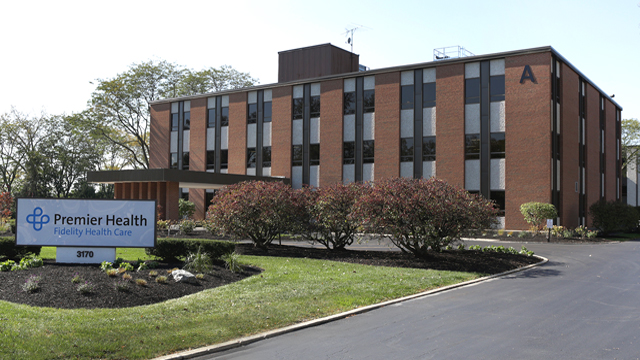
Fidelity Health Care: At-Home Care For Sleep Disorders
You may need someone to come to your home to assess you for sleep apnea and help you learn to use your CPAP or BiPAP machine. Fidelity Health Care provides respiratory therapists to help you understand how to use this valuable resource. Fidelity Health Care will fit your mask correctly and show you proper use and care of your CPAP or BiPAP machine.
Contact Us
Please call us if you need sleep help. We'll help you take your next step in getting the rest you need. Find the location nearest you.